Homeownership, especially in older houses, carries unique challenges. One of the most significant issues often arises from the plumbing system. Over time, pipes wear down due to various factors, including material fatigue, corrosion, and environmental conditions. Identifying the early signs of pipe deterioration can save homeowners from costly repairs and extensive damage. Understanding what to look for is essential for maintaining a safe and functional home.
Common Types of Pipes in Older Homes
Older homes predominantly feature specific types of piping materials that have distinct lifespans and vulnerabilities. For instance, many houses built before the 1960s utilized galvanized steel or cast iron pipes. While these materials were durable when new, they are prone to rust and Hop over to this website corrosion over time. Copper pipes became popular later due to their resistance to corrosion but can still develop pinhole leaks as they age.
Another common material found in older homes is polybutylene piping. Used primarily between the 1970s and 1990s, this plastic-based material was initially celebrated for its flexibility and low installation costs. However, it has since been linked to numerous failures and leaks when exposed to certain chemicals or extreme temperatures.
Understanding the type of pipes used in your home can provide a critical context for identifying deterioration signs.
Warning Signs of Pipe Deterioration
Deteriorating pipes can manifest through various symptoms that homeowners should watch for. These indicators may not always be obvious but recognizing them early can prevent more significant issues down the line.
Discoloration or Staining on Walls and Ceilings
One of the first visible signs of pipe deterioration is discoloration or staining on walls or ceilings near plumbing fixtures. This could indicate water leakage from corroded pipes behind the walls. Homeowners should pay close attention to areas around sinks, bathtubs, or laundry rooms where water exposure is frequent.
In some cases, stains may appear as yellowish or brown patches that gradually expand. If left unchecked, these leaks can lead to mold growth and structural damage, necessitating costly repairs beyond simple pipe replacement.
Unpleasant Odors
A sudden increase in unpleasant odors emanating from drains often signals a problem with the sewer line or venting system. If you notice foul smells resembling sewage coming from sinks or toilets after flushing, your sewer line may have developed cracks or blockages due to deteriorating pipes.
These odors are not only unpleasant but also indicate potential health hazards associated with sewage exposure. If you experience persistent odors despite regular cleaning practices, consider contacting a professional drain cleaning service for an inspection.
Low Water Pressure
Experiencing low water pressure can be frustrating and may stem from various issues within your plumbing system. However, if this problem arises suddenly in an older home with aging pipes, it could indicate mineral buildup inside corroded pipes or even leaks causing reduced flow.
To assess whether low water pressure is related to pipe deterioration, test multiple faucets throughout your home. If you find consistent pressure issues in several locations but not all fixtures exhibit problems, it’s prudent to investigate further.
Frequent Clogs
While occasional clogs are common in any plumbing system, frequent blockages might signal deeper issues within your pipes. Deteriorated materials can lead to reduced diameter openings due to corrosion or mineral buildup that traps debris more easily than healthy pipes would.
If you find yourself reaching for a plunger more than usual—or if professional drain cleaning services become necessary—it might be time to evaluate your plumbing system's integrity before it leads to significant complications like sewer backups.
Unexplained Increase in Water Bills
An unexplained spike in monthly water bills without corresponding usage increases often points toward hidden leaks within your plumbing system caused by deteriorating pipes. This condition might not be immediately visible but could result from small drips accumulating over time into larger problems if left unaddressed.
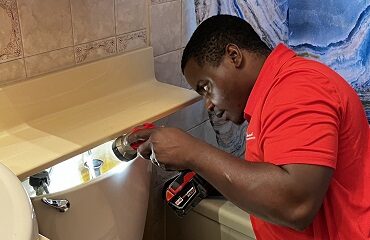
Monitor your bills closely; if you notice irregularities despite consistent consumption patterns—such as no increased usage during warmer months—consider scheduling a professional inspection to determine whether undetected leaks are contributing factors.
Conducting Routine Inspections
Regular inspections of your plumbing system play a crucial role in catching deterioration early on before it spirals into larger issues requiring expensive repairs. Establishing a routine schedule will help maintain awareness about potential problems lurking beneath surfaces where they aren't easily observable.
Homeowners should inspect accessible areas such as basements or crawl spaces at least once per year while keeping an eye out for any signs mentioned above: discoloration around fittings; dampness around joints; unusual sounds like dripping water; etcetera! Addressing these concerns proactively allows timely intervention—potentially saving thousands down the line!
The Importance of Professional Evaluations
Although DIY checks provide valuable insights into overall conditions regarding pipe health—certain assessments demand expertise best suited through professional evaluations conducted by qualified plumbers specializing in residential drain cleaning services or blocked sewer line repair processes when required!
Plumbing professionals utilize advanced tools like video camera inspections that can explore interior sections inaccessible via traditional methods while detecting abnormalities such as cracks caused by tree roots invading underground sewer lines over extended periods!
Investing time into securing thorough evaluations helps identify problematic areas quickly rather than risking catastrophic failures resulting from neglecting minor warning signs early on!
Repair vs Replacement: Making The Right Decision
When faced with deteriorating plumbing systems within older homes—the decision between repairing existing structures versus outright replacements becomes paramount! Several factors influence this choice:
Extent Of Damage: Minor cracks may warrant repairs while extensive rust erosion suggests full-scale replacements. Material Quality: Modern materials outperform aged counterparts dramatically; consider replacing outdated systems if feasible instead. Future Plans: If planning significant home renovations soon (like expansions), opting for complete replacements aligns better than patchwork approaches! Cost Effectiveness: Evaluate long-term cost implications based on expected lifespan differences between repairing versus replacing methods chosen!Consulting experienced professionals ensures accurate assessments made alongside transparent estimates provided upfront enabling informed choices tailored best suited towards individual circumstances faced!
Conclusion
Being proactive about identifying early signs of pipe deterioration is essential for homeowners living in older properties where infrastructure age presents unique challenges compared against newer constructions boasting modern standards engineered specifically against typical pitfalls encountered during years past!
By remaining vigilant regarding key warning signals such as wall stains; unusual odors; low-pressure complaints; frequent clogs; unexpected bill spikes — individuals empower themselves toward effective solutions ensuring longevity preserved across their beloved residences! Prioritize routine inspections combined with timely interventions allowing peace-of-mind knowing preventative measures taken ahead maintain stability across vital systems everyone relies upon daily!